Madrid rewards visitors who don’t try to see everything. The centre is compact, walkable and best experienced at the city’s own pace — slow mornings, long lunches, late nights. Three days is enough to get the measure of the place if you plan loosely and leave room for the evenings, which is when Madrid actually comes alive.
Day one: the old centre
Start at the Plaza Mayor, the arcaded square that has been Madrid’s formal heart since the seventeenth century. Walk out through one of its archways towards the Mercado de San Miguel for a mid-morning snack, then continue west into the tangle of narrow streets around La Latina.
Spend the afternoon at the Royal Palace and the Sabatini Gardens, then loop back through Puerta del Sol — the official centre of Spain, and the point from which the country’s roads are measured. In the evening, head for La Latina’s tapas streets. If it’s a Sunday, the El Rastro flea market fills the same neighbourhood from morning until early afternoon.
Day two: art and green space
Give the morning to the Paseo del Prado, where three world-class museums sit within a few minutes’ walk of each other: the Prado, the Thyssen-Bornemisza and the Reina Sofia. Trying to do all three in a day is a mistake. Pick one, see it properly, and save the others for a return trip.
Afterwards, walk into the Retiro park directly behind the Prado. The boating lake, the rose garden and the glass Palacio de Cristal are all worth the detour. As the light goes, make your way to the Templo de Debod — a genuine ancient Egyptian temple, gifted to Spain and rebuilt on a hill west of the centre. It’s the city’s favourite sunset spot, and it’s free.
Day three: neighbourhoods and nightlife
Day three is for the parts of Madrid that don’t appear on postcards. Malasana is the city’s alternative quarter — independent shops, record stores, small bars. Neighbouring Chueca is louder and more polished. South of the centre, Lavapies is the most international district in the city, and the best place to eat something that isn’t Spanish.
Save your energy for the last night. Madrid eats late, drinks later, and treats midnight as the middle of the evening rather than the end of it. Our Madrid nightlife guide and our roundup of things to do after dark cover the options, from flamenco to live comedy.
Practical notes
- Stay central. Almost everything above is walkable from Sol, La Latina or Malasana — see our neighbourhood guide.
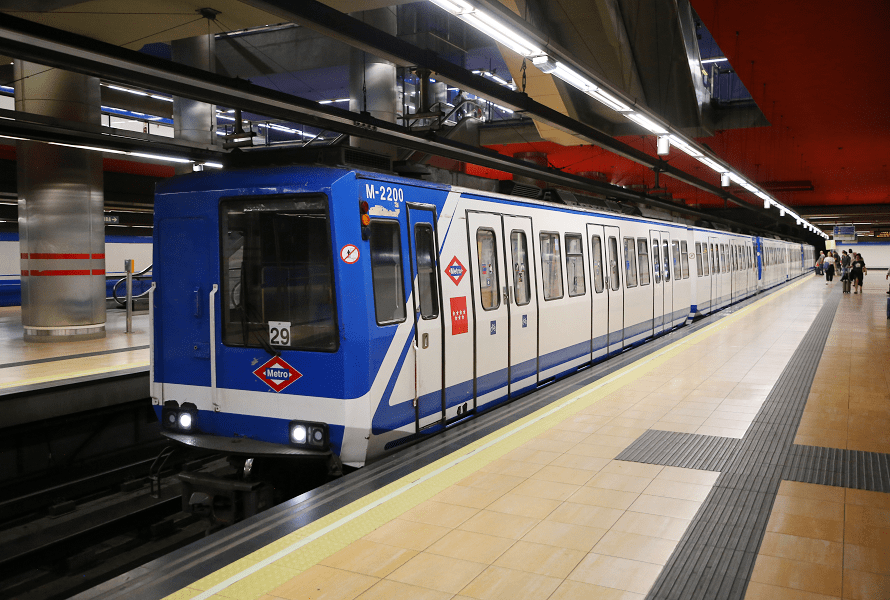
- The Metro is fast and cheap; our transport guide explains the ticket system.
- Lunch runs roughly 2pm to 4pm and dinner rarely starts before 9pm. Adjust rather than fight it.
- Book major museums online in advance to skip the queue.
- Official listings and opening times are on esMadrid, the city tourism board site.
If your three days fall in early October, the Madrid Comedy Festival runs from 1 to 4 October 2026 across venues in the centre, with shows in several languages. It slots neatly into the evenings of an itinerary like this one — see the programme.
Frequently asked questions
Is three days enough for Madrid?
For a first visit, yes. Three days covers the historic centre, one major museum, the main parks and two or three neighbourhoods at a comfortable pace. A fourth day would let you add a day trip or a second museum.
Do I need to rent a car?
No. Central Madrid is walkable and the Metro covers everything else. A car is a liability in the centre, where much of the area is restricted to residents.
What’s the best month to visit?
Spring and autumn. May, June, September and October give you warm days without the punishing heat of a Madrid August — see our guide to Madrid in October.
Related: travelling around the national holiday? See the 12 October puente guide.