Stand-up, improv, storytelling, roast — a good comedy festival programme reads like a menu, and if you’ve only ever seen one kind of live comedy, half of it might be unfamiliar. The Madrid Comedy Festival runs all four formats across its four days (1–4 October 2026), so here’s a guide to what each one actually is, how it feels in the room, and which one to pick for your kind of night.
Stand-up: the pure form
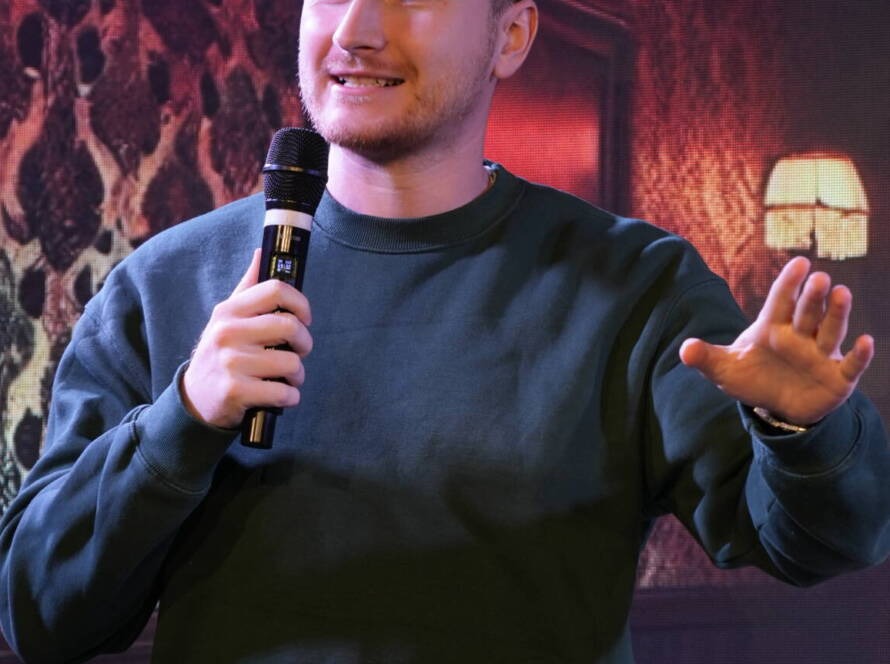
One person, one microphone, and material they’ve written, tested and rewritten over months or years. Stand-up looks spontaneous and is anything but — the best sets are engineered joke by joke, with every pause in its place. What makes it thrilling live is the tension between that preparation and the room: the same set lands differently every night, and a comic reading the crowd in real time is a craft you can only appreciate in person.
Pick it if: you want the classic comedy-club experience. Formats to know: showcase bills (several comics, short sets — ideal for discovery) and headline shows (one act, a full hour to build something bigger). New to it? Our complete guide to stand-up in Madrid covers the local scene.
Improv: nothing is written
Improvised comedy is made up on the spot, usually by a team, often from an audience suggestion — a word, a location, an awkward date story someone volunteers. No two shows can ever be the same, because the show doesn’t exist until it’s happening. The joy of improv is watching performers build something absurd together in real time and rescue each other when it wobbles; the near-disasters are half the fun.
Pick it if: you like unpredictability and playfulness over polish, or you’re coming with a group — improv rooms are wonderfully social. Shouting a suggestion is welcome here; it’s the one comedy format where audience input is the raw material.
Storytelling: comedy that sneaks up on you
Storytelling nights sit between stand-up and theatre. Performers tell true(ish) personal stories — ten minutes to a full hour — that are funny the way your funniest friend is funny: through character, timing and the slow build of a tale worth telling. The laughs are warmer and the range is wider; a great storytelling set can detour through something genuinely moving and land the biggest laugh of the night thirty seconds later.
Pick it if: you love the human side of comedy, or you’re bringing someone who claims not to like stand-up. Storytelling converts sceptics.
Roast: affection, weaponised
The roast is comedy’s contact sport: comics take turns delivering merciless, meticulously crafted insults — usually about each other, sometimes about a willing guest of honour. It sounds brutal and is, underneath, oddly warm: in roast culture, being mocked hardest is a form of respect, and the target always gets the last word. Expect the sharpest writing of any format and absolutely no delicacy.
Pick it if: your sense of humour has no brakes. Skip it if: you’re easily winced. Roasts are reliably the rowdiest, most quoted shows on any festival programme.
How to build your festival programme
- Mix formats. A stand-up showcase one night and improv or storytelling the next shows you how wide live comedy really is.
- Match the format to the company. Date night: storytelling. Group of friends: improv or a roast. Flying solo: a stand-up showcase, where the room does the socialising for you.
- Check the language. MCF programmes shows in English, Spanish, French, Hindi, Italian and more — each performed in its original language. Improv especially rewards fluency, since it moves fast.
- Book the rowdy ones early. Roasts and headline stand-up sell out first. The ticket page is your friend.
Frequently asked questions
What’s the difference between stand-up and improv?
Stand-up is written and rehearsed material performed solo; improv is unscripted comedy invented live, usually by a team, often from audience suggestions. Stand-up perfects; improv gambles.
Which comedy format is best for beginners?
A stand-up showcase — several comics doing short sets — gives you maximum variety with no risk of a whole evening resting on one act you don’t click with.
Are roast shows too harsh for a casual night out?
They’re the strongest-flavoured format — deliberately offensive within the room’s shared understanding that it’s a game. If dark, personal humour makes you laugh, go. If not, storytelling or a showcase will treat you more gently.